Europe offers a wide range of education options, from vocational training to doctoral programs, and everything in between. With a wide range of Bachelor’s, Master’s, and PhD programmes, Europe is home to some of the best universities in the world.
Europe is known for its rich cultural and linguistic diversity. With over 200 languages spoken across the continent, studying in Europe provides an opportunity to learn a new language or improve your language skills.

Europe's universities maintain academic excellence, globally recognized. Europe's rich history in the industrial revolution is reflected in its excellent educational infrastructure.

With its diverse range of education options, affordable tuition fees, and endless travel opportunities, Europe is the perfect destination for international students. International students who study in Europe find employment easily after graduating. This is largely due to the quality of education and research in Europe, which ranks among the best in the world.

Studying in the Europe is not that expensive, compared with other English-speaking countries such as the US or Canada. higher education in Europe is subsidized by the government and tuition fees are relatively low.

Europe offers an abundance of scholarships for international students, making it a prime destination for academic pursuits. European countries also offer numerous discounts and benefits for students, which can help reduce your living costs.

If you have a student visa for the European country you’re planning to study in, you will have the opportunities to explore other countries within the Schengen area. As Europe is quite small compared to the US, you can travel and reach of all major European cities by bus and train in short period.


“Aadele Vistas is one of the best consultancy in Chennai. They have helped me with the whole process from the university selection to the visa application process. I strongly suggest Aadele vistas for the candidates who have a desire to do their studies in any abroad destinations.”
In most EU countries, working while studying is totally possible. Either with a student visa or with a student work permit you will be allowed to work, generally part-time during the school year and full-time during holidays.
If you’re an international student and you’ve completed your studies in Europe, you are eligible to apply for the post study work visa. This permit is valid for one -Two years and depend on the countries from you graduated. Once you have a job offer, you could be entitled to apply for the EU Blue Card or for other longer-term residence permits in line with national regulations.
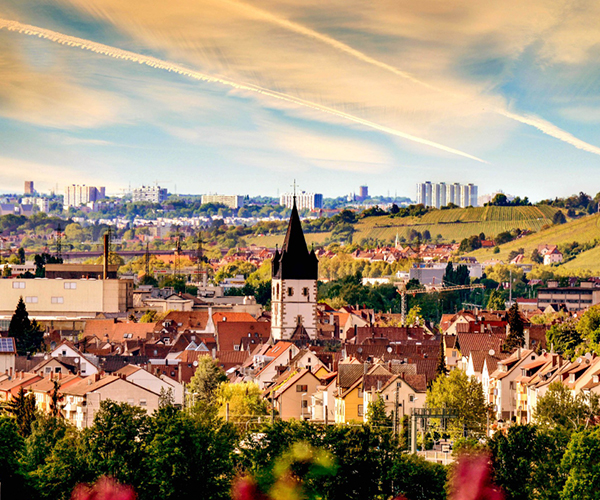
Germany is a country in the heart of Western Europe. It shares borders with many other European countries such as; Denmark, Poland, the Czech Republic, Austria, Switzerland, France, Luxembourg, Belgium, the Netherlands, and the Baltic Sea. Germany, due to its high academic level and free public universities, is one of the most popular destinations for students to study abroad in in the world. There are hundreds of universities in Germany that have free or very low-fee tuition programs available for international students. English taught programmes are widely available in popular fields like business, engineering and science.
France is one of the most popular destinations for international students. Among its major advantages are the high quality of education, the remarkably low tuition fees, and the enjoyable French way of life. Studying in France offers internship opportunities, enhancing professional skills, providing international exposure and gain valuable work experience. The country is home to many of the best-ranked elite business schools in Europe. Popular fields of higher education is France are business, fashion design, computer Science, Finance, film studies, Hospitality and Tourism studies and Engineering.


Switzerland is a small country located in the heart of continental Europe.Switzerland's higher education sector, with its universities and federal institutes of technology, universities of applied sciences and universities of teacher education, offers a wide range of courses in diverse subjects. Switzerland is a federal republic of 26 cantons, and each canton is responsible for its educational matters and regulations. Swiss universities invest heavily in excellence, research, and science, offering a broad spectrum of academic degrees.Popular fields of higher education is Switzerland are Business, Information Technology, Law, Tourism and Hospitality, Culinary Arts and Engineering.
The Netherlands is a European country located in the northwest of Europe, bordering Germany and Belgium, and is a member of the EU. Students are choosing to study in the Netherlands due to its relatively low costs of living, high quality living conditions and excellent high educational standards. Dutch universities offer a wide range of degree options at the bachelors, masters levels, and at research universities, doctoral level. Universities in the Netherlands generally fall into two categories, Universities of applied sciences (UAS) and Research universities. Popular courses in Netherland are science, Engineering, Business Management, Information Technology, Environment studies, Architecture, Finance and Economics.
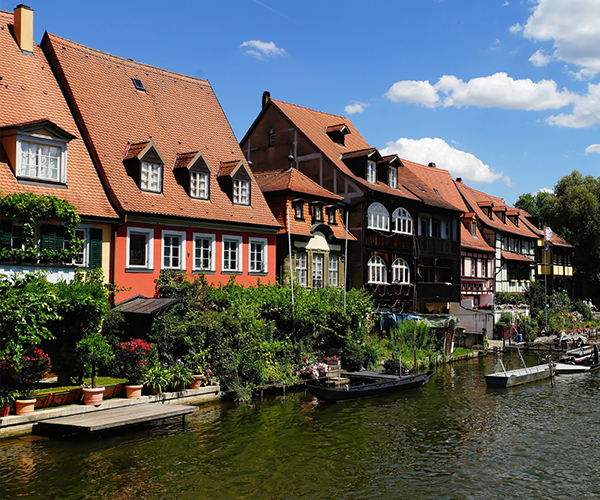
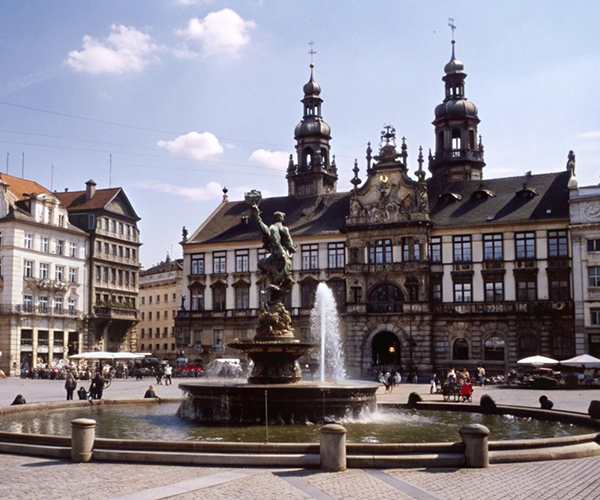
Poland is among the most popular destinations in Europe chosen by students for affordable and exceptional study abroad experience. Located in Central Europe, Poland is a culturally rich study-abroad destination renowned for its academic excellence, lower education costs, world-class Polish universities, and diverse culture. Poland offers many jobs in engineering, IT, telecommunication, and manufacturing. Students can practice their skills while studying by taking up paid internships, part time and weekend jobs. Universities of Poland offer various courses like medicine, Computer Science, engineering, management, finance, Fashion design, Law studies and Natural Science.
Spain is home to many prestigious universities and educational institutions that offer high-quality education in various fields. Its higher education sector comprises 89 Spanish universities, out of which 50 are public, and 39 are private universities. Its higher education sector comprises 89 Spanish universities, out of which 50 are public, and 39 are private universities, which includes some of the best business schools. Spain also is home to the Universidad de Salamanca, which is one of the oldest universities in the world. Located in southwestern Europe, Spain is a land of stone castles, vast monuments, and modern cities. Tuition fees for degree programs in Spain may vary, but are amongst the lowest in Europe. To cover the rest of the costs, there are plenty of scholarship opportunities available. universities in Spain offer plenty of degrees for subject areas like Computer Science, Engineering, Natural Sciences, Marketing and Finance, Social studies, Health care, Agriculture, Biotechnology, Psychology, Nursing etc.

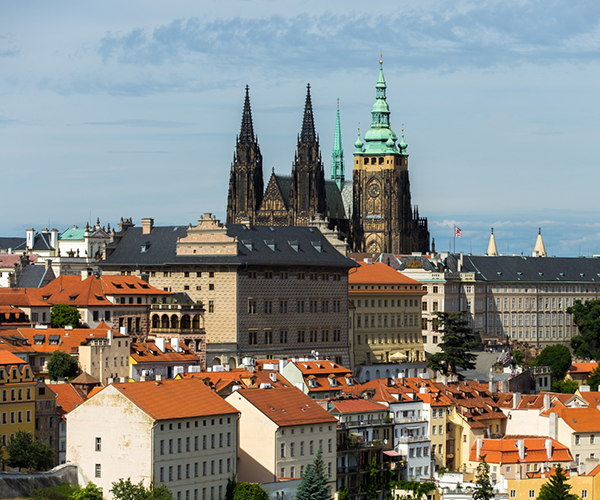
Sweden is a Scandinavian country in Northern Europe, bordered by Norway and Finland. It is the third largest country in the European Union by area, with a population of about 9.5 million. Sweden is home to 39 universities. Of the eight appearing in the QS World University Rankings 2025, two are inside the top 100. These are KTH Royal Institute of Technology, in 74th position, and Lund University in 75th. Sweden has numerous multinational organizations that are front runners in innovation and technology. Sweden offers top-notch courses in various fields. Some of the most popular courses include technology, engineering, business, social sciences, design, Environmental studies, Medicine and health science, Law etc.
Finland is a country situated in Northern Europe and joins Sweden, Denmark, Iceland, and Norway to make up the Nordic countries. The main language is Finnish; Swedish is also an official language. Universities in Finland are some of the highest-ranked universities not only among the European educational institutions but also across the globe. 13 traditional universities focus on research-based degrees and 22 Universities of Applied Sciences (UAS) provide industry-oriented education and offer various courses in Finland. Some of the best courses to study in Finland are Information Technology, Business Management, Finance, Health Science, Biotechnology, Design and Architecture, Environmental studies and Education.

Italy has a long tradition of excellence in education, with some universities among the oldest educational institutions in the Western world, such as the University of Bologna founded at the beginning of the eleventh century. Ancient traditions blend with innovation, offering a wide range of academic programs that cater to diverse interests and career paths, representing the forefront of higher education. Located in the heart of Europe, Italy shares borders with Slovenia, Austria, Switzerland, and France. The Italian government gives scholarships to international students every year. Most universities also have their own scholarship programmes that take into account merit, the student’s Nationality, and family income. Italy is known for its courses in design, Fashion, Architecture, Business management, Hospitality, Science and Technology and may more.
Malta is a Southern European Island nation in the Mediterranean, located between Italy and Tunisia. Malta offers high-quality education and is an English-speaking country. It is a safe study abroad destination for international students. It provides them with education tax benefits and exciting career opportunities. As it was once a British colony, Maltese people generally grow up speaking two languages. One is English, the other is Maltese. Popular courses to study in Malta are Aviation, Business studies, Finance and Banking, Agriculture, Tourism, Technology, Health care, Transport and logistics etc.